
Interview Video Tips for Dallas Businesses: How to Prepare for a Better Brand Film or Testimonial Video

A great interview video is rarely just about the interview.
For Dallas businesses, the difference between a polished brand film and a basic talking-head video often comes down to everything happening around the interview: the room you choose, the noise you avoid, the lighting you control, the b-roll you capture, and how comfortable the person feels once the camera is rolling.
I’ve filmed interviews in hotels, offices, breweries, museums, event venues, and conference spaces across Dallas–Fort Worth, and one thing is almost always true: the best-looking room is not always the best interview room.
Whether your company is creating a brand film, testimonial video, fundraising piece, event recap, recruiting video, website video, or internal communications piece, a little planning before production day can make a major difference in the final result.
This guide is especially helpful for marketing teams, nonprofits, event planners, agencies, hotels, corporate teams, and small businesses planning interview video production in Dallas. Whether you need a testimonial video, brand film, fundraising video, recruiting piece, or event recap, the same principles apply: choose the right environment, protect the audio, and plan the story before the shoot begins.
Here are a few interview video tips for Dallas businesses planning an on-camera shoot.
Below are a few practical ways to plan a smoother interview shoot and create a stronger final video.
Why Dallas Interview Shoots Need a Little Extra Planning
Dallas offers a wide range of great filming environments. A polished hotel suite in downtown Dallas, a conference room inside an office tower, a museum space near Love Field, a restaurant in Uptown, a brewery in the Design District, or a ballroom near the convention center can all create a strong visual setting for an interview.
But each location comes with its own production challenges.
A downtown hotel may require valet, elevator access, loading time, and coordination with venue staff. A corporate office may have glass walls, overhead lighting, reflective windows, or limited space for a camera and lighting setup. A museum or event venue may have restrictions on where gear can be placed. A restaurant or brewery may have music, kitchen noise, customers, or hard surfaces that make clean audio more difficult.
That is why the best interview location is not always the flashiest room. It is the space that gives the production enough control over sound, lighting, background, and timing.

Common Dallas Interview Locations and What to Watch For
Different Dallas locations create different production considerations. Choosing the right space ahead of time helps the shoot move smoother and gives the final video a more refined, professional feel.
Downtown Hotels
Hotels can be great for interview videos because they often have polished interiors, strong design, and a professional atmosphere. Downtown Dallas hotels, luxury suites, conference rooms, lounges, and event spaces can look elevated on camera.
The main things to consider are valet, loading gear, elevator timing, room access, guest traffic, and whether the space is quiet enough for clean audio. A beautiful lobby may look great, but if there are guests walking through, music playing, or a lot of echo, it may be better suited for b-roll than the main interview.

Corporate Offices
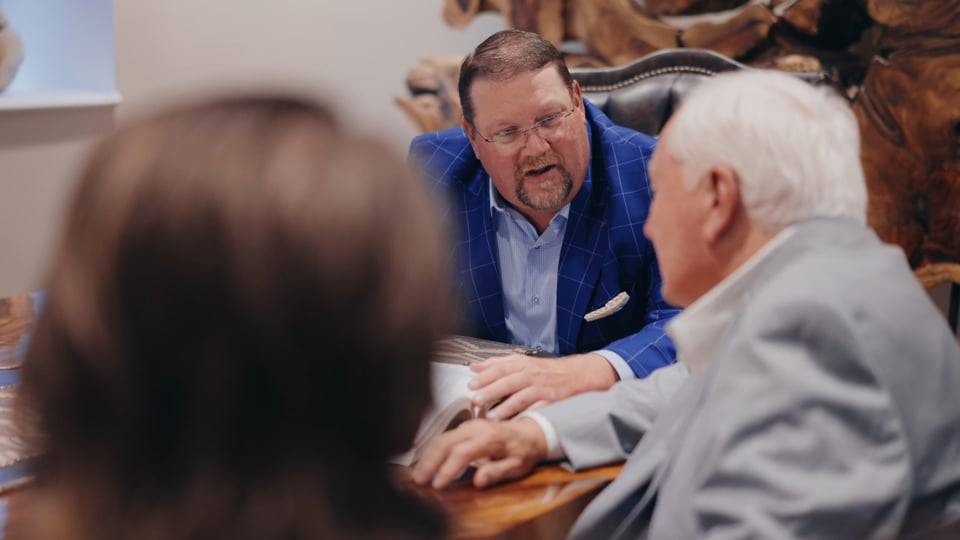
Corporate offices are convenient because they are connected to the business and often already feel on-brand. They can work well for executive interviews, recruiting videos, client testimonials, and company culture pieces.
The challenge is that many office spaces have glass walls, overhead lighting, hard surfaces, and conference rooms that echo. A room may be convenient, but it still needs enough space for lighting, cameras, audio, and a clean background.
Museums and Event Venues
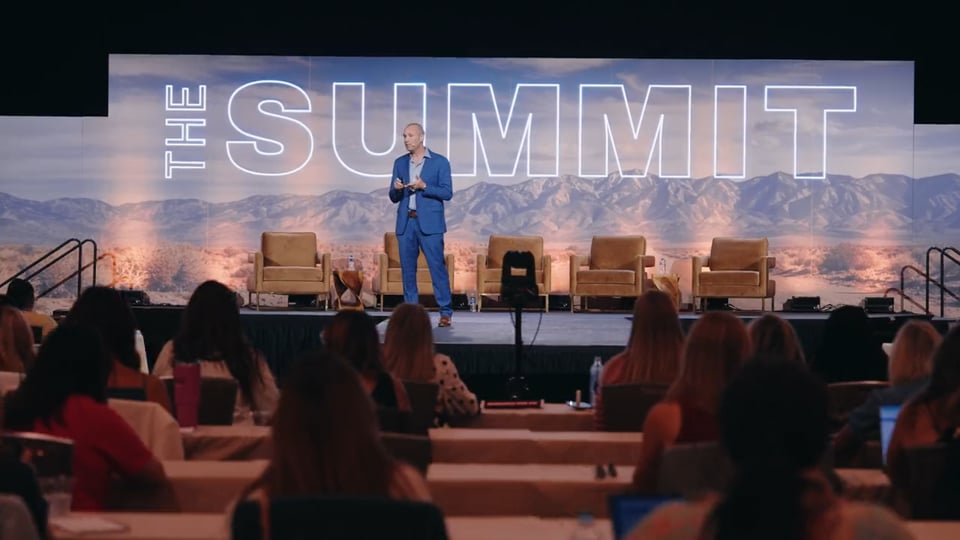
Museums, galleries, and event venues can create a more cinematic setting, especially for nonprofit videos, fundraising pieces, galas, and event recaps.
The main thing to confirm is what the venue allows. Some spaces have restrictions on lights, stands, load-in areas, or where interviews can be filmed. It is also important to know whether the room will be quiet or if staff, guests, or vendors will be moving through the space.
Restaurants and Breweries
Restaurants and breweries can add personality and atmosphere to a brand video, especially for hospitality, food, beverage, lifestyle, or event-related content.
The tradeoff is audio. Music, kitchen noise, customers, refrigeration, bar activity, and hard surfaces can all make interviews harder to record cleanly. These spaces are often great for b-roll, but the interview itself may need to happen in a quieter room or before the location opens to the public.
Convention and Trade Show Spaces
Dallas has a lot of conferences, trade shows, expos, and corporate events. These are great for capturing energy, sponsor activations, booth interactions, speakers, and event atmosphere.
But trade show floors are rarely ideal for clean sit-down interviews. If interviews are part of the plan, it is usually better to find a quieter room, hallway, lounge, or controlled area away from the
main event noise.
1. Choose a Quiet, Controlled Interview Location
The first thing to think about is sound. A beautiful room can still be a poor interview location if it has loud air conditioning, street noise, echo, background music, or constant foot traffic.
For most interview videos, the best setup is a controlled indoor space where the crew can manage lighting and audio. Conference rooms, private offices, hotel suites, studios, quiet museum rooms, or tucked-away venue spaces can all work well depending on the look you want.
When choosing a location, think about:
Background noise
Echo or hard surfaces
Natural light
Available power outlets
Room size
Space for cameras and lights
Foot traffic or interruptions
A background that fits your brand
For Dallas businesses filming in hotels, restaurants, museums, convention spaces, or event venues, it is worth walking through the space ahead of time or sending photos to your videographer. A quick look at the room can help determine where the interview should be framed, where lights can go, and whether the audio environment will work.
2. Prioritize Audio as Much as the Image
Most people think first about how the video will look, but audio is just as important. Viewers may tolerate a slightly imperfect shot, but poor audio can make a strong interview feel unprofessional.
This matters even more in busy Dallas filming environments. Hotel lobbies, event ballrooms, trade show floors, restaurants, breweries, and downtown offices can all create audio issues. Music, HVAC, nearby conversations, footsteps, elevators, traffic, and room echo can all affect the final recording.
A good interview setup should include professional microphones, careful mic placement, and someone actively monitoring the sound during recording. This helps avoid problems like clothing rustle, inconsistent volume, background noise, or a room that sounds too hollow.
For testimonial videos, brand films, nonprofit stories, and corporate interviews, clean audio helps the message feel more trustworthy and professional.

3. Prepare Talking Points, Not a Script
One of the biggest mistakes businesses make is trying to script every answer. Scripts can be useful for commercials or teleprompter reads, but for interviews, they often make people sound stiff or overly rehearsed.
Instead, prepare talking points.
Think through the key ideas you want to cover, but allow the person on camera to answer in their own words. The best interview answers usually sound conversational, clear, and honest.
For a Dallas business interview, you might cover:
What the company does
Who the company serves
What problem the company solves
Why the work matters
What makes the team different
A specific client success story
What the viewer should do next
How the company serves the Dallas–Fort Worth community
The goal is not to memorize perfect answers. The goal is to create space for natural responses that can be shaped into a strong final edit.
4. Build in Enough Setup Time
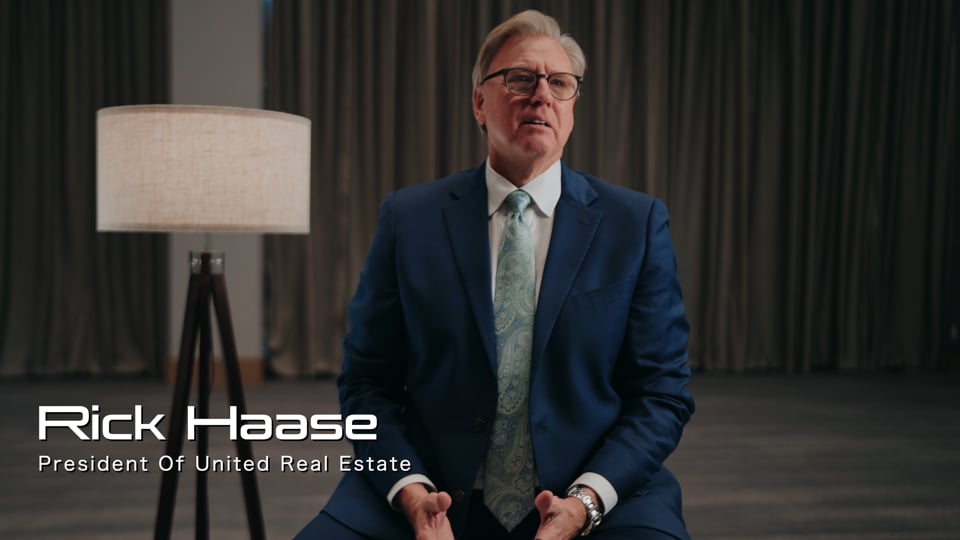
Even if the actual interview only takes 30 minutes, the full production process takes longer. A professional interview setup usually includes camera placement, lighting, audio setup, background adjustments, test recordings, and time to help the person on camera feel comfortable.
For Dallas shoots, logistics can also add time. Downtown parking, valet, building security, elevators, loading docks, venue contacts, and event schedules can all affect the pace of the day.
A simple interview setup may need 45–60 minutes before filming begins. A more cinematic multi-camera setup with lighting and audio may need longer, especially if the room has mixed lighting, reflective surfaces, or sound challenges.
Building in that time helps the shoot feel calm instead of rushed.

5. Think Through the Background
The background does not need to be complicated, but it should feel intentional.
A clean office, textured wall, hotel interior, branded workspace, production floor, museum space, or event environment can all work well if composed properly. The goal is to create a background that supports the speaker without distracting from them.
Try to avoid:
Trash cans
Exit signs
Cluttered tables
Bright windows directly behind the subject
Distracting posters
People walking through the frame
Strong reflections
Overly busy backgrounds
For Dallas brand videos and corporate interviews, the background can help tell the story. A nonprofit may want a setting connected to the community it serves. A hotel or hospitality brand may want the property itself to be part of the visual identity. A law firm, agency, or corporate team may want a polished office environment. An event-focused brand may want the energy of the venue to show through.
The right background should feel connected to the company, not random.
6. Be Careful With Outdoor Interviews in Dallas
Outdoor interviews can look beautiful, but Dallas weather can make them difficult.
Heat, wind, traffic noise, harsh sunlight, and changing light can all create problems. Even a location that looks great in person may be tough for audio if it is near a busy street, rooftop, patio, or public area.
In many cases, outdoor spaces are better used for b-roll, while the main interview is filmed indoors in a quieter, more controlled environment.
For example, if your company is filming at a Dallas event venue, hotel, brewery, or outdoor activation, it may make sense to capture exterior shots, guest interaction, signage, and atmosphere outside — but record the interview itself in a quieter room nearby.
That gives the final video the best of both worlds: clean interview audio and strong environmental visuals.
7. Capture B-Roll to Support the Story
The interview gives the video structure, but b-roll brings it to life.
B-roll is the supporting footage that plays over the interview audio. This can include team members working, client interactions, product details, office environment, event moments, exterior shots, signage, hands-on process, or anything else that visually supports what is being said.
For Dallas businesses, b-roll can also help give the video a stronger sense of place. Depending on the project, that might include:
A downtown Dallas exterior
Hotel or venue details
Team members interacting with guests
Trade show or conference activity
Branded signage
Product or service details
Office culture moments
Behind-the-scenes process
Event atmosphere
Client or customer interactions
Strong b-roll makes the final video feel more cinematic and less like a basic talking-head recording. It also gives the editor more flexibility to shape pacing, cover cuts, and create a more polished story.
For example, a brand interview filmed inside a Dallas hotel may need a polished sit-down setup, but the final video will feel much stronger if the interview is paired with b-roll of the property, lobby details, team interaction, exterior signage, and natural moments around the space. The interview explains the message, but the supporting footage gives the viewer a sense of atmosphere and credibility.
For a Dallas event recap, interviews may only be one part of the final video. The stronger edit often comes from combining short soundbites with footage of guests arriving, details, signage, speakers, sponsor activations, and candid interaction throughout the room.

8. Plan for Remote Producers or Interviewers
Not every interview shoot has the full creative team in the room. Sometimes a producer, director, agency, or marketing team joins remotely while the subject is filmed in person in Dallas.
This can work very smoothly, but it needs a little extra coordination.
For remote interview setups, it is important to think through how the interviewer will communicate with the subject, how the production team will monitor framing and audio, and how the files will be delivered after filming. The crew may need to coordinate a Zoom or video call while separately recording the high-quality camera and audio files in person.
This type of setup is especially useful for out-of-town production teams, agencies, or companies that need a Dallas-based videographer to capture professional interview footage without flying the full team in.
The key is making sure everyone understands the workflow before the shoot begins: who is asking the questions, who is monitoring the recording, how the subject will hear the remote interviewer, and what files need to be delivered afterward.
9. Dress for the Camera and the Brand
Wardrobe matters more than most people realize. You do not need to overthink it, but clothing should feel appropriate for the company, the shoot location, and the audience watching the video.
A few simple wardrobe tips:
Avoid tiny patterns or tight stripes
Avoid noisy jewelry
Avoid clothing with distracting logos unless intentional
Choose colors that work with the location
Bring a backup option if possible
Make sure clothes are steamed or wrinkle-free
Avoid overly reflective glasses when possible
The goal is for the person on camera to look polished while still feeling natural.
For business interviews, wardrobe should match the brand. A creative agency, nonprofit, hotel, real estate company, medical practice, or corporate team may all have different expectations for how formal or casual the video should feel.
10. Know Where the Final Video Will Be Used
Before the shoot, think through where the video will actually live. A website homepage video may be planned differently than a social media reel, fundraising video, YouTube piece, sales presentation, paid ad, or internal company video.
This affects how the interview is filmed, how much b-roll is needed, whether vertical content should be captured, and what deliverables make the most sense.
For example, a Dallas business may need:
A 2–3 minute brand film
A 60-second social version
Short testimonial clips
Vertical reels
Website banner footage
Event recap content
Fundraising campaign videos
Recruitment videos
Raw interview selects for future use
Knowing this before filming helps the shoot stay focused. It also makes sure the footage is captured in a way that supports the company’s actual marketing plan.
11. Make the Person on Camera Comfortable
A strong interview depends on trust. Most people are not used to being on camera, so it is normal for them to feel nervous at first.
A good production approach should feel calm, conversational, and guided. The person being interviewed should not feel like they have to deliver perfect answers on the first try. Often, the best moments come after a few warm-up questions once they settle in.
Simple things help:
Let them know they can restart an answer
Ask questions conversationally
Keep the room calm and quiet
Avoid having too many people watching
Give them time to think
Remind them they do not need to memorize anything
This is especially important for testimonial videos, nonprofit stories, and founder-led brand films. The goal is to make the person feel comfortable enough to speak naturally, not perform.
The more relaxed someone feels, the more authentic the final video will be.
Common Interview Video Mistakes to Avoid
A few small decisions can make an interview shoot harder than it needs to be.
One common mistake is choosing a room because it looks good, without thinking about sound. If the space has music, echo, lobby noise, or people constantly walking through, the interview may be difficult to use no matter how nice the background looks.
Another mistake is scheduling interviews too tightly. Even a short interview needs setup time, lighting adjustments, audio testing, and a few minutes for the speaker to get comfortable.
It is also common for businesses to over-script answers. When someone tries to memorize every word, the final video can feel less natural. A better approach is to prepare key talking points and let the speaker answer conversationally.
Another mistake is forgetting about b-roll. Without supporting footage, even a great interview can feel static. Capturing details, people, process, environment, and interactions gives the final edit more life.
Finally, some companies wait until after the shoot to decide where the video will be used. That can limit the final deliverables. If you know ahead of time that you need a website video, vertical social clips, a YouTube version, or short testimonial cutdowns, the production can be planned around those needs from the beginning.
Quick Interview Video Checklist for Dallas Businesses
Before your interview shoot, try to confirm:
The exact room or space where the interview will happen
Whether the room has controllable lights or windows
Whether music, HVAC, or background noise can be reduced
Where the crew can load in and park
Who has access to the room on the shoot day
How many people are being interviewed
Whether b-roll needs to be captured before or after interviews
Whether the interviewer will be in person or remote
Where the final video will be used
Whether vertical social clips are needed
Any brand guidelines, logos, or messaging points that need to be included
A little planning before the shoot can save a lot of time once production day begins.
Work With a Videographer Who Can Guide the Process
Hiring a videographer is not just about finding someone with a good camera. For interview-driven projects, you want someone who understands lighting, audio, story structure, pacing, and how to make people feel comfortable on camera.
An experienced Dallas videographer can also help you think through local production logistics — parking, venue access, hotel load-ins, audio challenges, lighting conditions, b-roll opportunities, and realistic shoot schedules.
That guidance can make the difference between a basic interview recording and a cinematic video that feels intentional, professional, and useful across your website, social media, and marketing channels.
For brands that want a more cinematic, story-driven look, working with a Dallas cinematographer can help shape the lighting, framing, camera placement, movement, and overall visual tone of the interview.
If you are still comparing options, you may also find this guide helpful: what to look for when hiring a Dallas videographer.
Final Thoughts
Interview videos are a powerful way for Dallas businesses to build trust, explain their work, and connect with their audience. With the right preparation, your shoot day can feel smooth, focused, and efficient — and the final video can give your company a stronger way to communicate its story.
The best interview videos are not just about showing up and pressing record. They come from thoughtful planning, the right location, clean audio, intentional lighting, strong b-roll, and a production approach that helps people feel comfortable on camera.
Planning an interview video for your Dallas business?
H&K Cinema helps companies, nonprofits, events, and creative teams create cinematic, story-driven interview videos with professional lighting, clean audio, intentional b-roll, and a calm production process designed to make people feel comfortable on camera.
If you are budgeting for an interview-driven video, our Dallas video production cost guide breaks down how shoot length, crew size, editing, interviews, b-roll, and deliverables can affect the final quote.
Whether you need a brand film, testimonial video, event recap, fundraising piece, website video, or remote interview crew in Dallas, we can help plan the shoot and create a final video that feels polished, natural, and useful for your marketing.
FAQ: Interview Video Production for Dallas Businesses
How long does a business interview video shoot take?
Most interview shoots take longer than the interview itself. A 30-minute interview may still require setup, lighting, audio testing, background adjustments, b-roll, and breakdown. For a polished interview setup, it is best to build in enough time so the shoot does not feel rushed.
Where should we film an interview video in Dallas?
The best location is usually a quiet, controlled indoor space with enough room for cameras, lights, and clean audio. Offices, hotel suites, studios, private venue rooms, and controlled conference spaces can all work well. The right location should look good, sound clean, and feel connected to your brand.
Should we script our interview answers?
Usually, no. It is better to prepare talking points instead of memorizing a script. This helps the person on camera sound more natural, conversational, and confident. A scripted answer can work in certain situations, but most interview videos feel stronger when the speaker answers in their own words.
Can you film interviews at Dallas events or conferences?
Yes. Interviews can be filmed at Dallas events, conferences, fundraisers, trade shows, and brand activations. However, it is usually best to find a quieter room or controlled area away from the main event floor so the audio is clean and the person on camera feels comfortable.
Do we need b-roll for an interview video?
Yes, b-roll is one of the most important parts of a strong interview video. It helps support what is being said, adds visual energy, covers edits, and makes the final piece feel more cinematic. B-roll can include team interaction, event details, office footage, product shots, signage, customer moments, or behind-the-scenes process.
Can a producer or director join the interview remotely?
Yes. A remote producer, director, agency, or marketing team can join the interview through Zoom or another video call while the subject is filmed in person. This is a helpful option for out-of-town teams that need a Dallas-based crew to capture professional interview footage without traveling.




Comments