
Creating a Brand Film for The Monolith Group at The Fort Worth Club

Updated: Oct 11
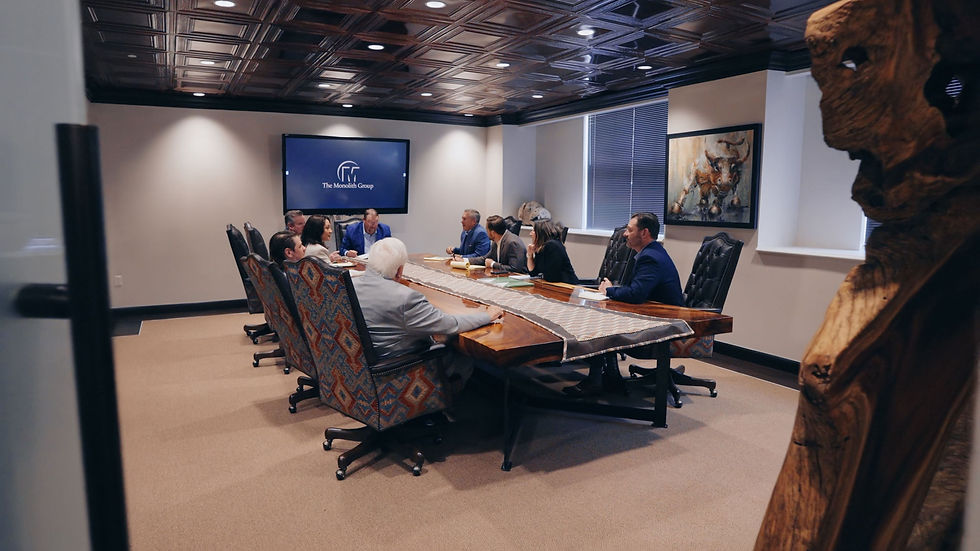
The Monolith Group project started with seven interviews in one day at The Fort Worth Club.
As a Fort Worth videographer, projects like this are some of my favorites because they combine interviews, storytelling, and a location that actually has a connection to the company we’re filming.
We sat down with everyone on site, including the company’s founders, and by the end of the shoot we had hours of conversation about a business that isn’t particularly easy to explain in a two- or three-minute film.
That became the real challenge of the project: figuring out how to take seven different voices, a fairly complex financial service, and an entire day of footage and turn it into one clear story.
Seven Interviews, One Story
The interviews were the foundation of the entire film.
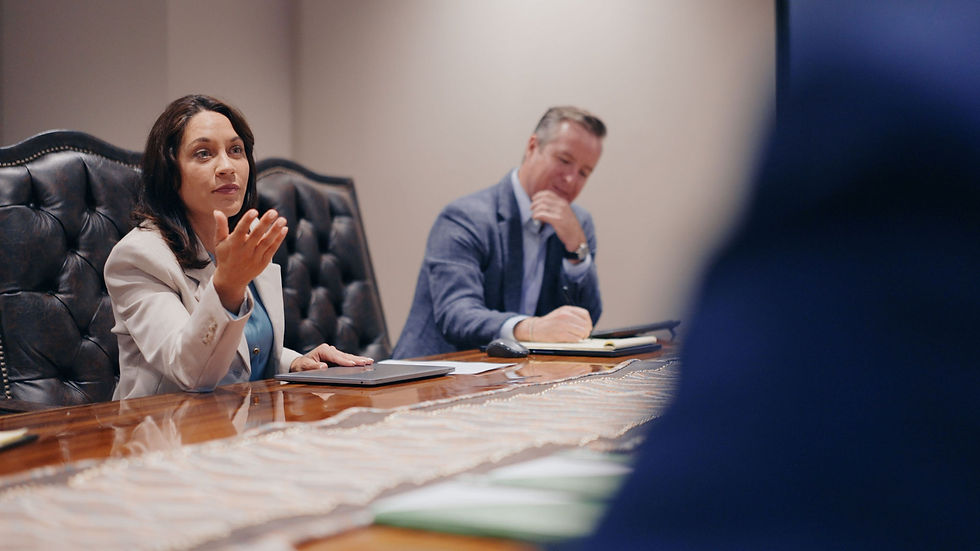
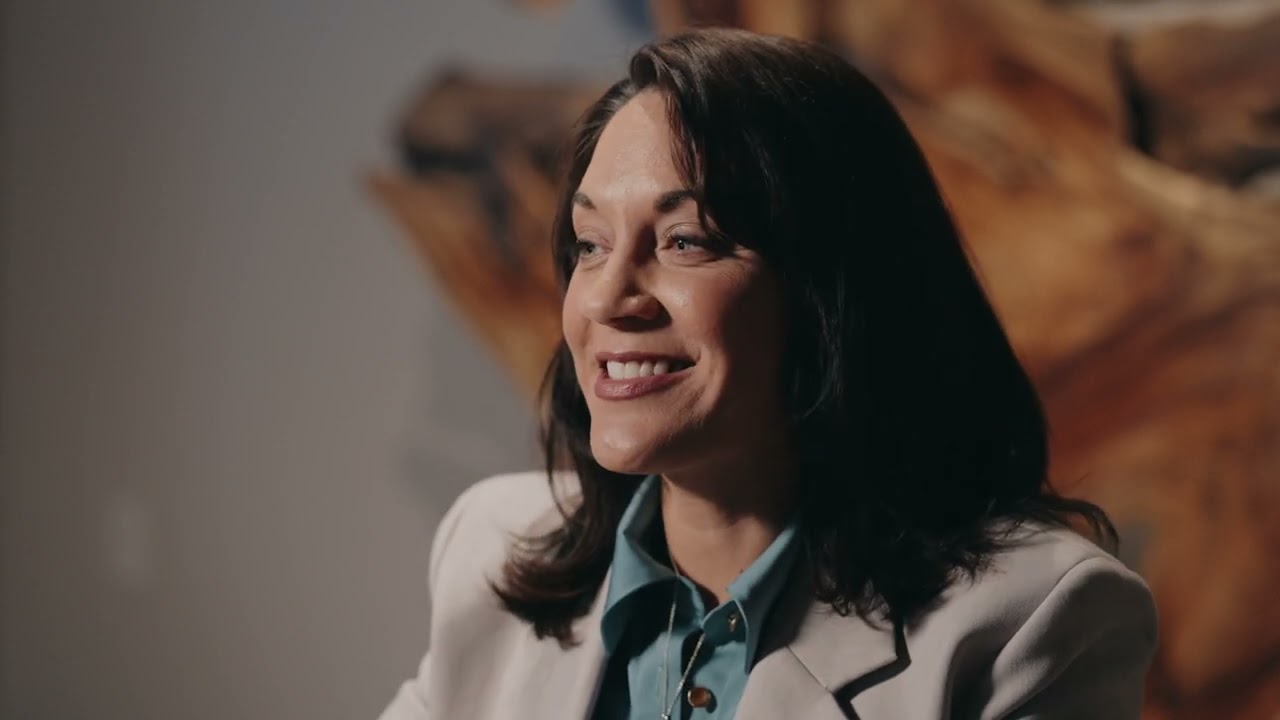
Rather than putting one spokesperson in front of the camera and asking them to explain the company from beginning to end, we interviewed the full team and let each person speak from their own perspective.
That gave us a much more interesting edit.
One person might explain part of the problem Monolith helps solve, another might talk about how they work with clients and advisors, and one of the founders might bring everything back to why the company exists in the first place.
The goal wasn’t to make seven people sound the same.
It was to find the moments where their answers naturally connected.
A lot of the film was built by letting one person begin an idea and having someone else carry it forward. Once those pieces started falling into place, the final video began to feel less like a series of interviews and more like one continuous conversation.
Finding the Simple Version of a Complicated Business
One of the harder parts of the project was deciding what not to include.
The Monolith Group works with high-net-worth families and their advisors around liquidity planning for major financial events and transitions.
There is a lot behind that.
We could have made a much longer film explaining every part of what they do, but that would have missed the point.
The brand film didn’t need to teach someone the entire business model. It needed to give the viewer enough information to understand the problem Monolith helps solve, why that problem matters, and who they would be working with.
That meant the edit became an exercise in simplification.
We had hours of interview footage to work through, and the job was to find the clearest versions of those ideas without stripping away the sophistication of the company or making anyone sound overly rehearsed.
For me, that was the most interesting part of the project.
The cameras capture the raw material, but the actual story really starts to take shape once you’re sitting in the edit and deciding which pieces belong together.

Why The Fort Worth Club Worked
The Fort Worth Club was a really natural fit for the film.
We didn’t need to manufacture a polished corporate environment because the location already had the right tone for Monolith.
It felt established, understated, professional, and unmistakably Fort Worth.
We filmed the interviews throughout the space and then spent time capturing the team moving through the office, meeting together, working, and interacting naturally.
That footage gave us something much more useful than generic office B-roll.
Instead of filling gaps between interviews with random shots of laptops and handshakes, we could actually show the environment the team works in and let the location become part of the identity of the film.

Bringing Fort Worth Into the Film
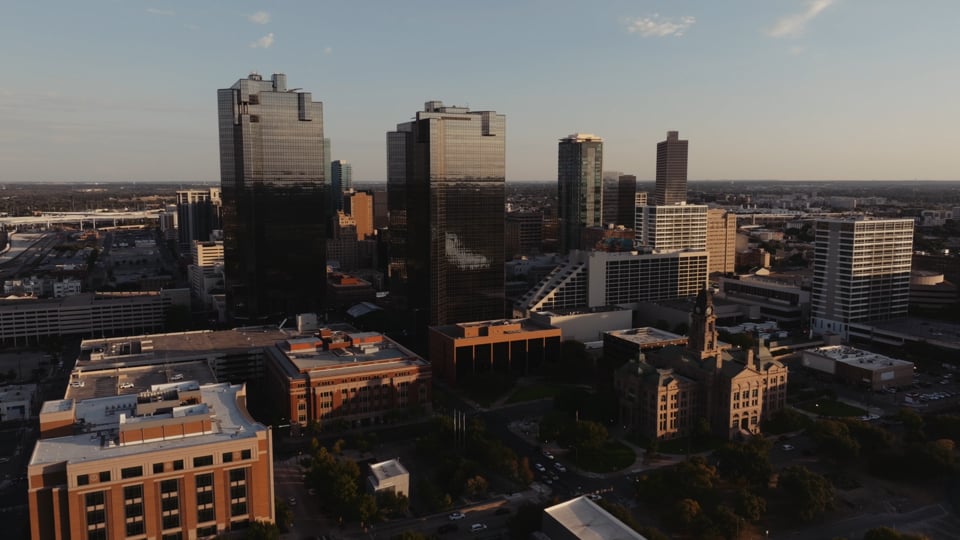
We also wanted the piece to feel connected to the city.
Along with everything we filmed inside The Fort Worth Club, we incorporated aerial and city footage throughout the edit.
One of those shots was an aerial of TCU, which ended up being one of the shots the team especially liked in the finished film.
I liked having those moments in there because they gave the piece a stronger sense of place.
The film wasn’t supposed to feel like it could have been shot for any financial company in any city.
Monolith is rooted in Fort Worth, so it made sense for Fort Worth to be part of the story visually as well.
That local connection is something we try to keep in mind with our Fort Worth commercial video production work. When the location is genuinely part of a company’s identity, it should feel like part of the film rather than just background scenery.
Building More Than the Hero Film
The main brand film was the centerpiece of the project, but we were able to build much more content around the same production day.
Along with the hero film, we captured additional interview material, website banner footage, Fort Worth-focused visuals, professional headshots, team photography, and other assets that could be used throughout Monolith’s website and marketing.
That is something I always like about productions like this.
When the entire team is together, everyone is already camera-ready, the location is set, and the production is built out, there is an opportunity to create a much deeper library of content than a single video.
The footage from one production can end up serving a company in a lot of different places.
We’ve taken a similar approach on other commercial projects, including our Cross Custom Homes brand film, where the goal was to build a larger visual story around the company rather than simply produce a single standalone video.
Planning a video for your own business? Read our guide to planning a brand video in Fort Worth for what to consider before the shoot.

Putting It All Together
By the time the final film came together, no single person was responsible for telling the Monolith story.
The founders, leadership team, office, city footage, and supporting visuals all became different pieces of it.
That was probably my favorite part of this project.
We didn’t have to manufacture a story around the company.
It was already there.
Our job was to find it in the interviews, figure out which moments mattered most, and put the right pieces together.


Comments